
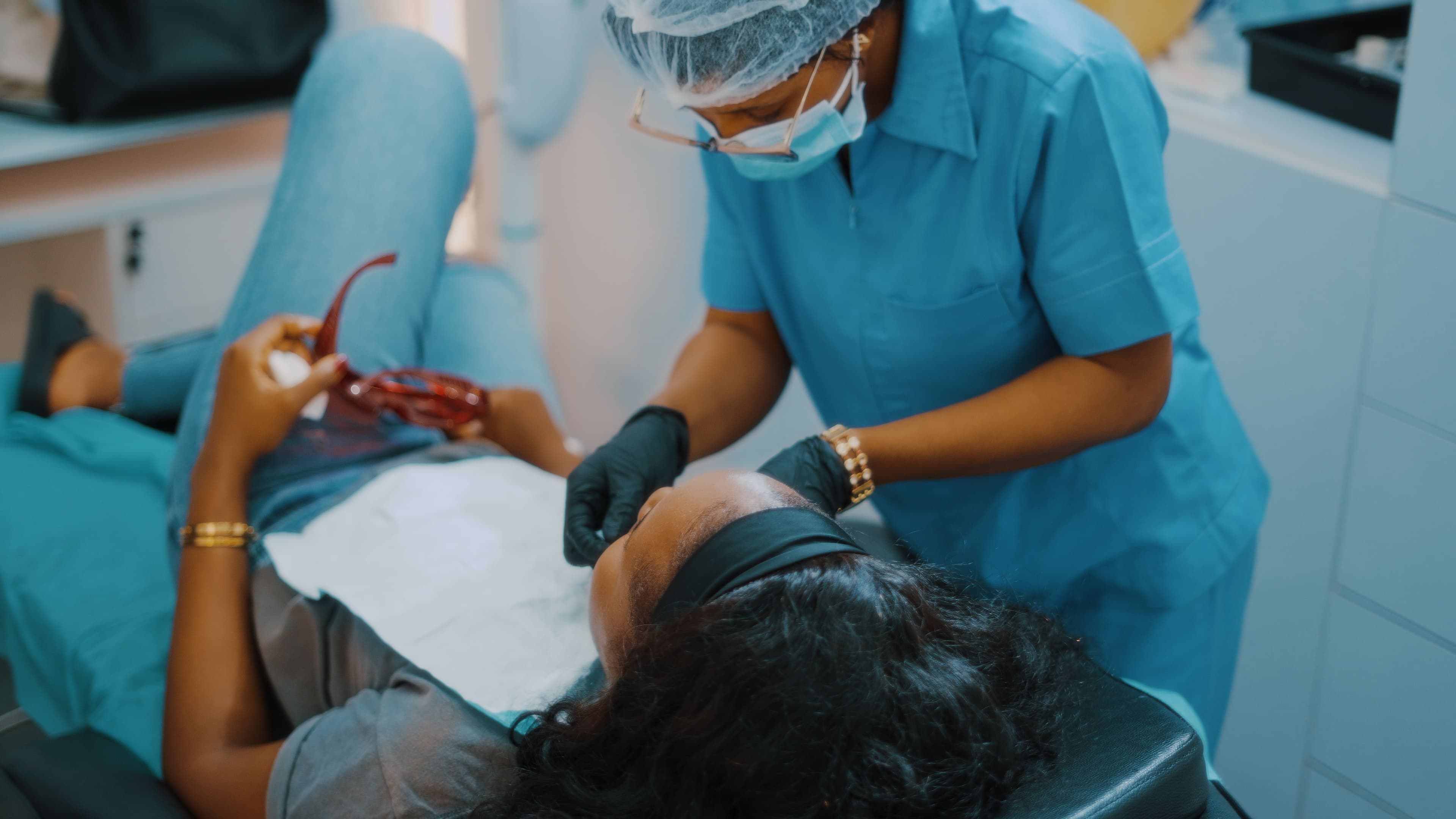
Medical Insurance
Medical insurance is a contract where you pay a regular premium in exchange for financial protection against healthcare costs — so that when illness or injury strikes, the bill does not land on your family at the worst possible moment.
In practice, it means walking into a quality hospital, receiving the care you need, and walking out without a bill destroying your finances. For individuals, families, children, and elderly parents alike.
What happens when the hospital bill arrives?
A routine private hospital visit in Nairobi can cost Kshs. 3,000–8,000. A minor surgery, Kshs. 50,000–150,000. A serious diagnosis — cancer, a cardiac event, renal failure — can exceed Kshs. 1,000,000. Without insurance, that cost lands directly on you and your family.
Cashless Treatment
Present your card. Receive care. Walk out without settling the bill.
Predictable Cost
Convert unpredictable hospital bills into a manageable annual premium.
Full Family Protection
Cover yourself, your spouse, your children, and your parents under dedicated plans.
Quality Hospital Access
Choose your hospital, access specialists directly, and receive private room care.
"The best time to get medical cover is before you need it."
Why Medical Insurance Matters More Than Ever
Kenya's healthcare costs have risen sharply. Private hospital fees, specialist consultations, and the cost of serious illness are now beyond what most families can absorb without cover.
Cashless Hospital Access
Present your insurance card at any panel hospital and walk out without paying the bill. The insurer settles directly — no out-of-pocket panic at the point of care.
Rising Healthcare Costs
A minor surgery in Nairobi can cost Kshs. 50,000–150,000. A serious hospitalisation or cancer diagnosis can exceed Kshs. 1 million. Insurance converts that unpredictable cost into a manageable annual premium.
Inpatient & Outpatient Cover
Comprehensive plans cover both hospital admissions and everyday clinic visits, lab tests, prescriptions, and specialist consultations — the full spectrum of healthcare needs.
Cover for the Whole Family
One family plan covers the principal member, spouse, and dependent children. Standalone plans exist for children alone, elderly parents, and individuals — structured around whoever you are protecting.
International Options Available
For those who need coverage beyond Kenya's borders, International Private Medical Insurance (IPMI) plans provide access to quality healthcare anywhere in the world, with limits up to USD 5 million.
SHA Complement, Not Replacement
SHA provides a statutory baseline. Private medical insurance adds hospital choice, private room access, direct specialist access, broader outpatient cover, and overseas referral benefits that SHA does not offer.

How It Works
Choose your plan and pay your premium
Select the cover tier, benefit inclusions, and limits that match your needs. Pay the annual premium — your card and member certificate are issued and cover begins.
Visit a panel hospital or clinic
Present your insurance card at any facility on the insurer's approved panel. Outpatient visits proceed immediately. Inpatient admissions are pre-authorised — typically within 20–30 minutes.
Receive treatment on credit
The hospital bills the insurer directly for all covered costs. You receive the care you need and walk out without settling the bill at the point of discharge.
Renew and review annually
At the end of each policy year, renew your plan. Review the limits, benefits, and your family's changing needs to ensure the cover remains appropriate.
Types of Medical Cover Available
Whether you are covering yourself, your children, your family, or your parents — there is a plan structured for your specific situation.
Children's Medical Cover
From One Month Old
A dedicated plan covering only the child — from birth up to 19 years. Does not require the parent to be insured on the same plan. Covers the most frequent users of healthcare at the most affordable premium tier.
- Entry from as young as one month old
- Inpatient core with optional outpatient, dental, and optical
- Some plans cover congenital conditions and vaccinations
- Lower premiums than adult plans — locks in entry cost early
- Independent of employer group schemes
Best suited for
Parents whose employer group cover does not extend to children, or parents who want a higher, dedicated limit for their children's healthcare independent of their own policy.
Family Medical Cover
Principal, Spouse & Children
A coordinated plan covering the principal member, spouse, and dependent children under one policy, one renewal date, and one premium — generally more cost-effective per head than individual plans for each member.
- Covers principal, spouse, and children up to age 17
- Single policy, single renewal, single premium
- Optional add-ons: dental, optical, maternity
- Inpatient limits from Kshs. 500,000 to Kshs. 10,000,000+
- Maternity benefit available with 10–12 month waiting period
Best suited for
Families who want comprehensive, coordinated healthcare coverage for everyone in the household under a single, manageable policy.
Individual Medical Cover
For One Adult
A standalone plan for one adult — ideal for self-employed professionals, young adults, or employed individuals whose employer does not provide group medical cover. Full control over the plan tier and benefit inclusions.
- Personalised control over hospital panel and tier
- Entry from age 18 — lock in lower premiums early
- Outpatient, dental, and optical available as add-ons
- Inpatient limits from Kshs. 100,000 to Kshs. 10,000,000+
- Portable — remains yours regardless of employment
Best suited for
Employed professionals without group cover, freelancers, self-employed individuals, and young adults who want tailored, personal healthcare coverage.
Senior & Elderly Cover
For Parents Aged 64 and Above
Specialised plans designed for adults aged 64 and above — many with pre-existing conditions such as hypertension, diabetes, or arthritis. Built with higher acceptance thresholds and chronic condition management built into the benefit structure.
- Entry accepted up to age 84 on dedicated senior plans
- Pre-existing condition cover after waiting period
- Chronic drug management benefit included
- Outpatient, dental, and optical options for older adults
- Commonly funded by adult children pooling contributions
Best suited for
Adult children who want to insure their elderly parents under a plan designed specifically for the healthcare patterns and conditions of older Kenyans.
What Is Covered
Core benefits and optional enhancements by plan tier
Inpatient Cover
CoreHospitalisation, surgeries, ICU, theatre fees, specialist fees, prescribed drugs, and diagnostics during admission.
Outpatient Cover
CoreGP consultations, specialist visits, lab tests, radiology, prescribed medication, and minor clinic procedures.
Dental Cover
OptionalRoutine check-ups, cleanings, fillings, extractions, and basic restorative dental work.
Optical Cover
OptionalAnnual eye examinations, prescription lenses, and in some plans, contact lenses.
Maternity Cover
OptionalAntenatal care, normal and caesarean delivery, postnatal care. 10–12 month waiting period applies.
Chronic & Pre-Existing Conditions
CoreLong-term management of conditions such as diabetes, hypertension, and asthma — subject to a 12-month waiting period.
Emergency Ambulance
CoreRoad ambulance and, on higher-limit plans, air evacuation for qualifying inpatient emergencies.
Overseas Treatment
Higher-tierReferral to accredited hospitals in India, South Africa, or the UK for conditions that cannot be treated locally.
Who Is This For?
SHA vs. Private Medical Cover
SHA provides a statutory baseline. Private cover fills the gaps that matter most.
Key Limits at a Glance
Indicative market ranges across plan tiers. Actual limits, premiums, and terms vary by insurer, plan tier, and the age and health profile of the members being covered.
Minimum entry age (adults)
18 years
Maximum entry age (most plans)
65 years (senior plans up to 84)
Children's cover
From birth to 19 years
Policy term
Annual, renewed each year
Inpatient limits
Kshs. 100,000 – Kshs. 10,000,000+
Outpatient limits
Kshs. 30,000 – Kshs. 350,000+
Maternity benefit
Kshs. 30,000 – Kshs. 350,000+ (9–12 month wait)
Dental & optical limits
Kshs. 5,000 – Kshs. 60,000 each
Chronic/pre-existing waiting period
Typically 12 months
General illness waiting period
28–30 days
Surgical waiting period (non-accident)
60–90 days
Premium payment options
Annual or IPF instalments (4–5 months)
Risks Medical Insurance Helps Manage
Healthcare risk is financial risk. A structured medical plan addresses all of its dimensions.
Catastrophic Medical Bills
A single serious hospitalisation can exceed Kshs. 1 million. Insurance absorbs that cost so your savings and family finances are never wiped out by a health event.
Unpredictable Timing
Illness and accidents do not give notice. Medical cover ensures you can access quality care the moment you need it — not after you have scraped together funds.
Chronic Condition Costs
Diabetes, hypertension, and other long-term conditions require regular medication and specialist visits. Without cover, this is a recurring and growing out-of-pocket expense.
Financial Dependency
Without insurance, a parent's illness falls financially on adult children — often at the worst time. Senior cover protects both the parent and the child from that burden.
Common Mistakes to Avoid
Choosing purely on price
The cheapest plan is not always the best value. A low premium with a low inpatient limit, heavy co-payments, and restricted panel hospitals can leave you severely underinsured when you actually need it.
Ignoring waiting periods
Many people take a plan and discover that the condition they need treated is subject to a waiting period they were not aware of. Always read the waiting period schedule carefully before committing.
Not declaring pre-existing conditions
Failing to disclose a known condition can result in a claim rejection on grounds of non-disclosure. Always declare honestly and ask how the plan treats each condition specifically.
Letting cover lapse
Waiting periods typically restart if you take a break and return. Maintaining uninterrupted cover preserves your tenure and ensures chronic conditions remain covered once their waiting period has been served.
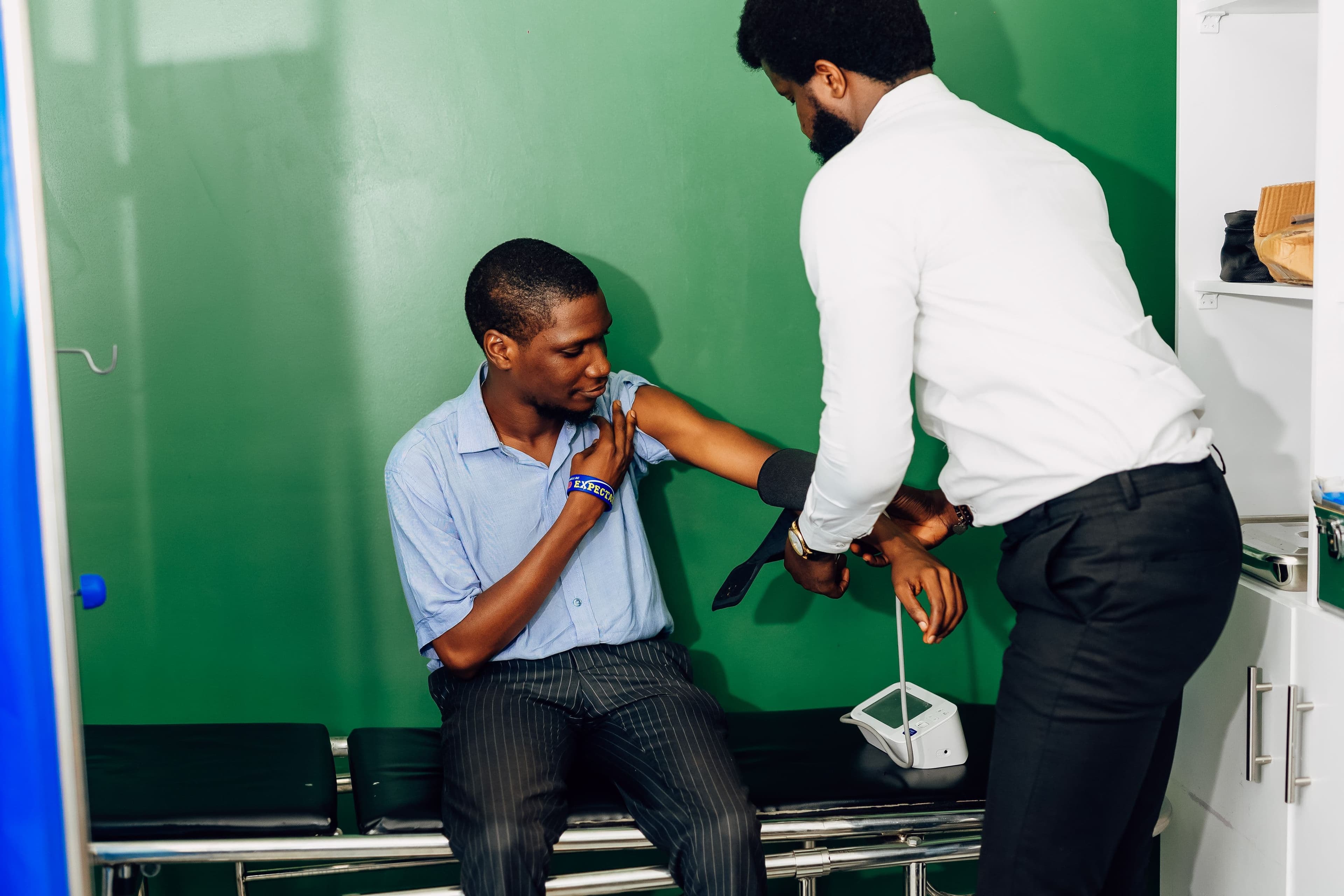
Frequently Asked Questions
Real Talk
Nobody plans to get sick. Nobody plans for a hospital stay to wipe out their savings.
But both happen — every day, to people who thought they had more time to sort it out.
The best time to get medical cover is before you ever need to use it.
Medical insurance products in Kenya are offered by licensed insurance companies regulated by the Insurance Regulatory Authority (IRA). Premiums, benefit limits, waiting periods, and terms vary by insurer and plan. The information on this page is for general guidance only and does not constitute a quotation or binding offer. Please contact Mama Bima Kenya for personalised quotes, plan comparisons, and advice tailored to your specific healthcare needs and budget.
Get the Right Medical Cover for You and Your Family
We compare plans across multiple insurers to find the right cover for your needs, your family, and your budget — including options for children, seniors, and individuals without employer cover.