

Critical Illness Cover
Critical illness cover is a protection plan that pays you a lump sum of money upon first diagnosis of a serious illness — cancer, stroke, heart attack, kidney failure, and others. The payout goes directly to you, not to a hospital or clinic.
It is not medical insurance. Medical insurance pays hospital bills. Critical illness cover pays you — so you can replace lost income, protect your family's lifestyle, and focus entirely on recovery without a financial crisis unfolding in the background.
If you were diagnosed today, what would happen to your income?
Cancer. Stroke. Heart attack. These are not remote risks. They affect people in their 30s and 40s — at the peak of their careers and family responsibilities. The biggest financial threat is not the medical bill. It is the income that stops.
Income Continues
The lump sum replaces the salary that stops the moment you cannot work.
Family Is Protected
School fees, rent, and daily needs are met — your family does not bear the cost.
Savings Stay Intact
Recovery costs do not drain the savings you spent years building.
You Focus on Recovery
No financial panic. No fundraising. Just the space to get well.
"Don't just insure your life. Insure your ability to live it."
Why Critical Illness Cover Is Non-Negotiable
Most people think medical insurance is enough. It is not. Medical insurance pays the hospital. This pays you.
Medical Insurance Pays the Hospital. This Pays You.
Medical insurance covers hospital bills. Critical illness cover pays a lump sum directly to you — to replace lost income, maintain your lifestyle, and fund your recovery on your terms.
Income Replacement When You Cannot Work
A serious diagnosis often means weeks or months away from work. Your salary stops. Your bills do not. Critical illness cover fills that gap with a cash payout the moment you need it most.
Your Savings Stay Intact
Without a lump sum payout, the cost of recovery — supplements, home care, travel for treatment, lost income — drains savings built over years. This cover protects everything you have built.
Your Family's Lifestyle Is Protected
School fees, rent, groceries, loan repayments — these do not pause during illness. A lump sum ensures your family maintains their standard of living while you focus on getting well.
It Is Not Just for the Elderly
Cancer, stroke, and heart attacks affect people in their 30s and 40s — often at the peak of their careers and family responsibilities. The earlier you plan, the lower your premium and the stronger your protection.
One Payout. Total Freedom.
Unlike indemnity insurance that reimburses specific costs, critical illness cover pays 100% of the sum assured in a single lump sum. No receipts. No approvals. Use it however your recovery demands.

How It Works
Choose your sum assured
Decide the lump sum you want to receive on diagnosis — based on your income, family obligations, loan repayments, and how long you would need financial support during recovery.
Pay your premiums
Pay a regular premium — monthly, quarterly, or annually — to keep your cover active. Premiums are determined by your age, the sum assured, and the policy term chosen.
Diagnosis triggers the payout
On first diagnosis of any covered critical illness, you submit a claim with medical confirmation. Once approved, 100% of the sum assured is paid directly to you.
Use the payout on your terms
The lump sum is yours — no conditions, no receipts required. Replace lost income, fund treatment, clear debts, support your family, or invest in recovery. You decide.
The Difference It Makes
Without Critical Illness Cover
- ✕Income stops when you cannot work
- ✕Savings are rapidly depleted
- ✕Family depends on relatives or fundraising
- ✕Loan repayments and bills fall behind
- ✕Long-term financial plans are disrupted
- ✕Recovery is compromised by financial stress
With Critical Illness Cover
- ✓Lump sum replaces lost income immediately
- ✓Savings remain untouched
- ✓Family lifestyle is maintained
- ✓Debts and bills continue to be serviced
- ✓Long-term financial plans stay on track
- ✓You focus entirely on recovery
Key Features
Lump Sum on Diagnosis
100% of the sum assured is paid on first confirmed diagnosis of a covered condition. No partial payments. No staged releases. The full amount, when you need it.
Pure Protection — No Savings Component
This is a protection policy, not a savings or investment vehicle. That keeps premiums lean and the cover focused on doing one thing exceptionally well: replacing your financial security on diagnosis.
Flexible Policy Terms
Choose a policy term that aligns with your highest-risk earning years — typically until retirement age. The sum assured can be tailored to your income level, loan obligations, and family needs.
Spouse Cover Option
Your spouse can be covered under the same policy at an additional premium, ensuring that the household is financially protected regardless of which partner is diagnosed.
Tax Relief Benefits
Premiums paid on this policy may qualify for tax relief under applicable Kenyan tax provisions, reducing your net cost to maintain the cover.
Early Planning Advantage
Premiums are lower when you are younger and healthier. Waiting until your 40s or 50s — or until after a health event — significantly increases the cost of cover, or may make it unavailable entirely.
Who Is This For?
What You Are Covered For
The policy pays on first confirmed diagnosis of any of the following serious conditions. Full medical definitions and qualifying criteria apply under policy terms.
Cancer
Most Common
Heart Attack
Most Common
Stroke
Most Common
Renal (Kidney) Failure
Organ
Major Organ Transplant
Organ
Paraplegia & Paralysis
Neurological
Coma
Neurological
Blindness
Sensory
Aorta Surgery
Cardiac
Coronary Artery Surgery
Cardiac
Replacement of Heart Valve
Cardiac
Motor Neuron Disease
Neurological
Multiple Sclerosis
Neurological
Muscular Dystrophy
Muscular
Parkinson's Disease (before age 60)
Neurological
Alzheimer's Disease (before age 60)
Neurological
Rheumatoid Arthritis (before age 60)
Musculoskeletal
Accidental Brain Damage
Neurological
Terminal Illness
Terminal
Full medical definitions and qualifying criteria for each condition are set out in the policy terms and conditions. Please speak to Mama Bima Kenya for a complete policy document.
What a Diagnosis Actually Looks Like Financially
You are diagnosed with cancer. Your medical insurance handles the hospital — the surgery, chemotherapy, specialist fees. But you cannot work. For six months. For a year. Maybe longer.
Your salary stops. Your mortgage does not. School fees do not. Groceries do not. The cost of recovery — supplements, transport, home care, private consultations not covered by your medical plan — keeps climbing.
This is where critical illness cover steps in. Not to pay the hospital — that is what medical insurance is for. To pay you. So illness does not become a financial crisis on top of a health crisis.
Medical insurance pays
Hospital, surgery, treatment
Critical illness cover pays
You — directly, as a lump sum
You use the lump sum for
Income replacement, debts, family, recovery
The result
You focus on getting well. Everything else stays intact.
Risks Critical Illness Cover Manages
A serious diagnosis is one risk. The financial consequences are four.
Income Loss
A serious diagnosis can put you out of work for months. Critical illness cover replaces that income with a lump sum the moment it stops.
Savings Erosion
Recovery costs — transport, supplements, home care, private treatment — drain savings built over years. The lump sum protects what you have accumulated.
Family Vulnerability
Dependants do not stop needing school fees, food, and shelter during your illness. The payout ensures they are never made to bear the consequences of your health event.
Debt Default
Mortgages, car loans, and business credit do not pause for illness. A lump sum keeps repayments on track and prevents assets from being repossessed during recovery.
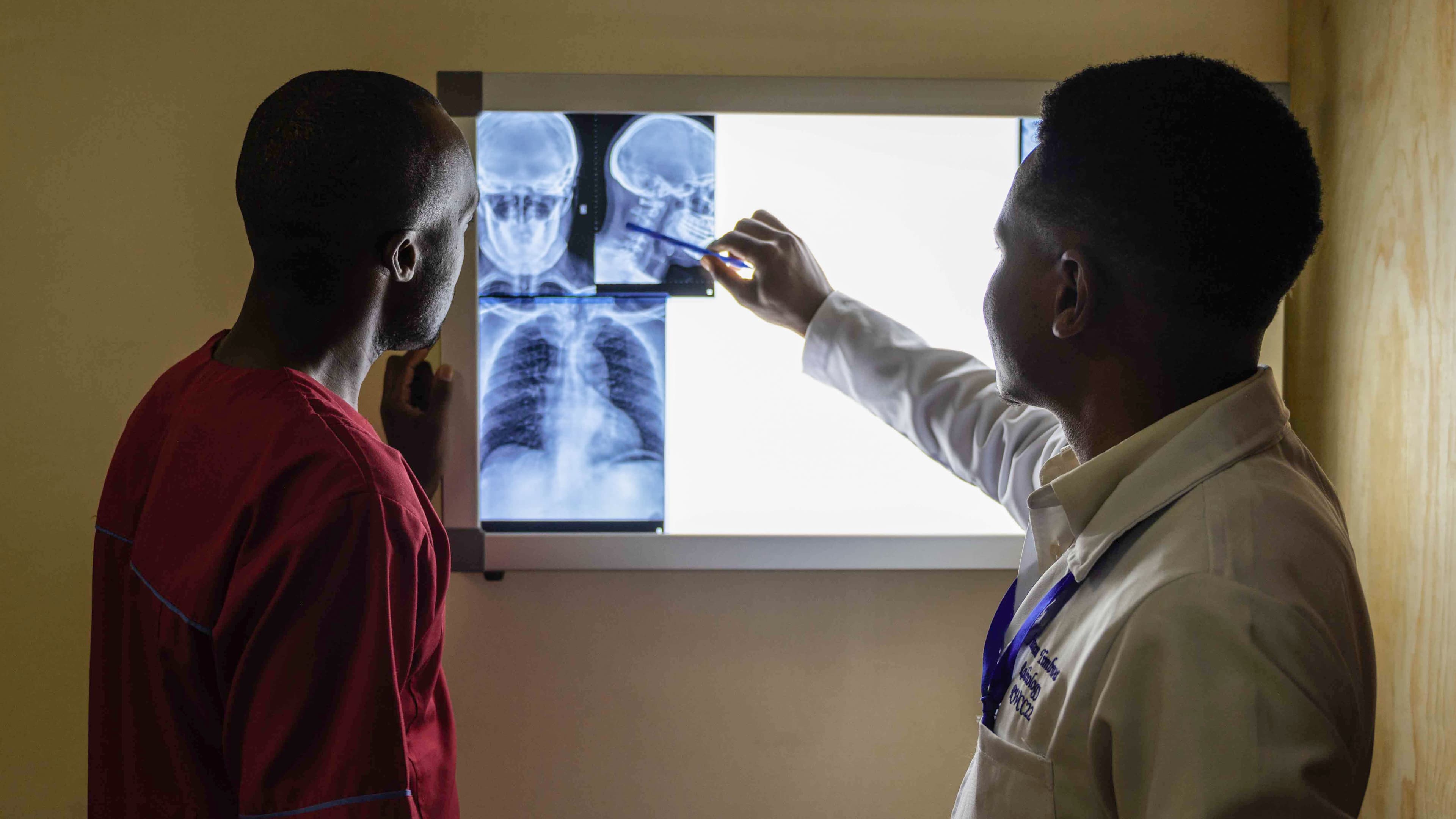
Understanding the Waiting Period
A waiting period typically applies from the policy commencement date — commonly 6 months for illness-related claims. During this period, claims arising from accidental events may still be covered depending on the specific policy terms.
This is why early planning is critical. Taking out cover while you are young and healthy means your waiting period is served well before the statistical window of risk opens — and your cover is fully active when it matters most.
Common Mistakes to Avoid
Assuming medical insurance is enough
Medical insurance reimburses hospital bills. It does not replace your salary, pay your mortgage, or cover the six months of reduced income while you recover. These are different risks requiring different cover.
Waiting until you are older
Critical illness does not only affect the elderly. Cancer, stroke, and heart attacks occur in your 30s and 40s. Waiting increases your premium, narrows your eligibility, and leaves your peak earning years unprotected.
Underestimating the sum assured needed
A common error is insuring for three to six months of income. Recovery from a serious illness — and the lifestyle disruption that follows — can last a year or more. Size the sum assured to your real financial exposure.
Not covering a working spouse
If your household depends on two incomes and one partner is diagnosed, the financial impact is the same as if it were you. Most policies allow a spouse to be covered at an additional premium — a simple and important addition.
Frequently Asked Questions
Real Talk
The biggest financial risk of a serious illness is not the medical bill.
It is the income that stops. The savings that are drained. The family that is left to absorb a crisis that was never planned for.
Critical illness cover does not stop you from getting sick. It stops illness from destroying everything you have built.
Critical illness cover is subject to the underwriting requirements, policy terms and conditions, applicable waiting periods, and prevailing tax laws of the issuing insurer. Benefit illustrations and covered conditions described on this page are for general information purposes only and do not constitute a quotation or binding offer. Full medical definitions and qualifying criteria for covered conditions are set out in the policy document. Please speak to Mama Bima Kenya for a personalised benefit illustration and premium quotation tailored to your specific needs and circumstances.
Protect Your Income. Protect Your Family. Start Today.
The earlier you take out critical illness cover, the lower your premium and the stronger your protection. Let us help you build the right plan for your income, your family, and your financial obligations.